Source Male Mannequin for Fashion Retail, Window Display, and Apparel Showcases
Explore 30 listings for male mannequin options suitable for fashion retail, window displays, and apparel showcases. Buyers can compare materials like fiberglass and plastic, base types, and supply capabilities from verified manufacturers in China.
Key considerations
Products List
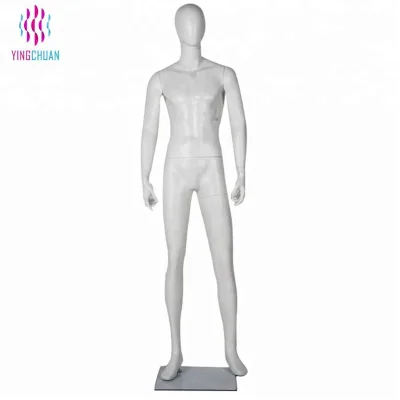
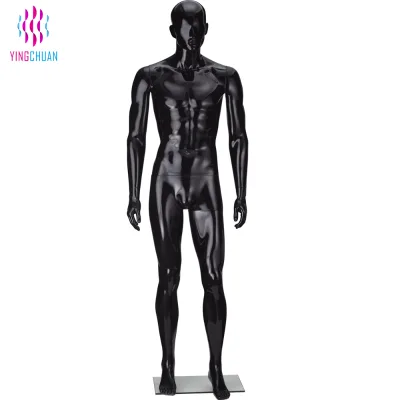
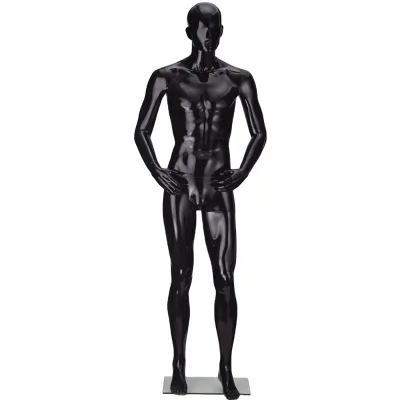
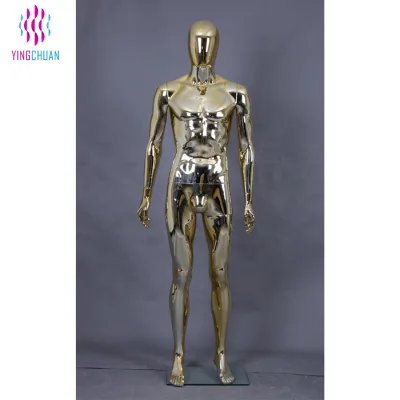


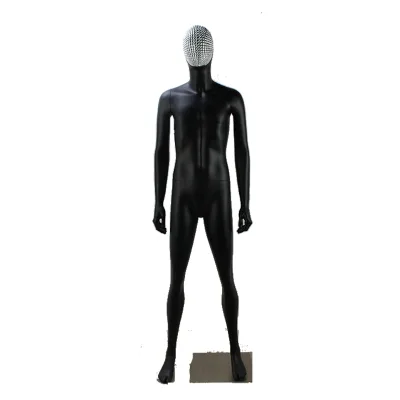
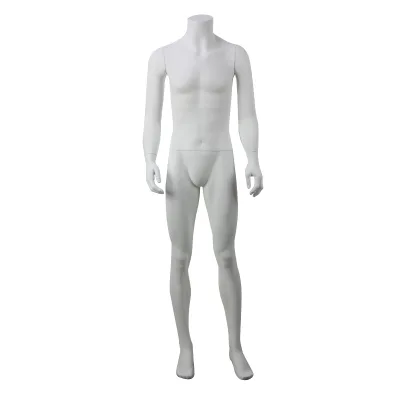
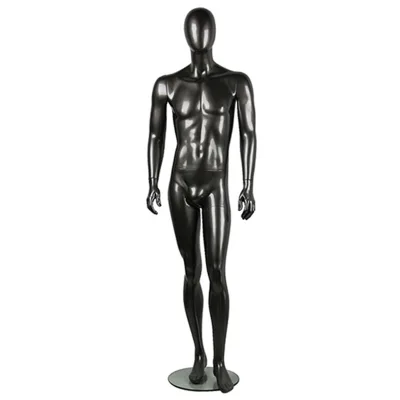
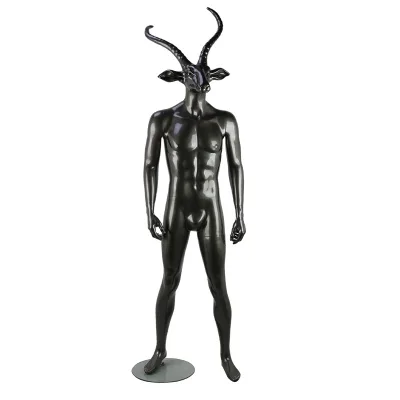
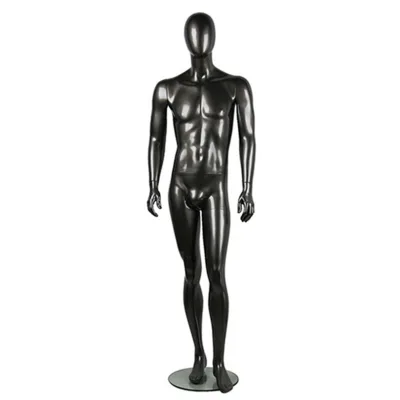
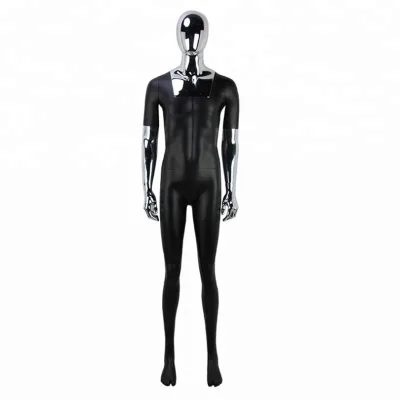


Comprehensive Sourcing Guide
Strategic Sourcing Guide for Male Mannequins in B2B Apparel Retail
Navigating the global market for male mannequins requires a disciplined approach that balances aesthetic requirements with rigorous supply chain verification. For procurement professionals, the objective is to secure display solutions that enhance brand presentation while maintaining cost efficiency and operational reliability. The current market offers a diverse array of options, ranging from high-grade fiberglass constructions to versatile plastic models, each serving distinct retail environments. This guide synthesizes available product attributes and industry best practices to provide a comprehensive framework for sourcing male mannequins effectively.
Understanding Material Composition and Structural Integrity
The foundation of any successful mannequin procurement strategy lies in the selection of appropriate materials. The market currently presents two primary material categories: fiberglass and plastic. Fiberglass models are often associated with a "High Grade" or "High-end" quality level, offering a robust structure suitable for high-traffic retail environments. These units typically feature a glossy surface finish that mimics the texture of human skin, providing a premium look for fashion displays. The structural integrity of fiberglass mannequins is further reinforced by bases made from stainless steel plates, ensuring stability for standing poses.
In contrast, plastic mannequins represent a more accessible option, often categorized as "High-end and mid-range." These units are frequently described as "Young male mannequin" types and are constructed from durable plastic materials. While they may lack the specific glossy finish of fiberglass, they offer significant advantages in terms of weight and cost. Plastic models often utilize metal bases, which provide adequate stability for standard display needs. The choice between fiberglass and plastic should be driven by the specific retail context; fiberglass is ideal for luxury boutiques requiring a lifelike appearance, whereas plastic is well-suited for mass-market retailers or temporary window displays where cost and portability are paramount.
Buyers must verify the specific surface finish and base composition for each order. While some listings indicate a "Glossy" surface, others may offer matte or textured finishes depending on the "As your demand" customization options. The base material is equally critical; a mismatch between the mannequin's weight and the base's stability can lead to safety hazards. Procurement teams should explicitly confirm whether the base is a stainless steel plate, a generic metal base, or a glass base, as these components significantly impact the overall cost and durability of the unit.
Technical Specifications and Customization Capabilities
Technical specifications define the functional utility of the mannequin within a retail space. A critical specification to evaluate is the size, which often varies based on buyer requirements. While some models adhere to a "Standard" size, many suppliers offer "As you demand" sizing to accommodate specific brand sizing charts or unique display requirements. This flexibility is essential for retailers aiming to maintain consistency across their global inventory.
The model number serves as a unique identifier for the product, with examples including YC-MM01, YC-NPM (22), and YC-NCM (10). These identifiers help in tracking specific design iterations and ensuring consistency in reordering. The "Pose" is another vital technical attribute; the majority of available units are designed in a "standing pose," which is the industry standard for full-body displays. However, buyers should verify if the design supports dynamic poses or if the "Attached Picture" represents the only available configuration.
Customization is a significant driver in the modern mannequin market. Suppliers frequently offer "Customized Logo" options, allowing retailers to brand the mannequin itself or the packaging. The "Color" attribute is often listed as "As your demand" or "Various colors," indicating a high degree of flexibility. Some specific models are noted as being available in "Black," while others support a full spectrum of color choices. This capability allows retailers to align the mannequin color with their seasonal collections or brand identity.
| Specification Category | Fiberglass Options | Plastic Options | Verification Requirement |
|---|---|---|---|
| Material | Fiberglass | Plastic | Confirm material grade and thickness. |
| Base Type | Stainless Steel Plate | Metal Base / Glass Base | Verify base weight and stability rating. |
| Surface Finish | Glossy | Standard | Request physical samples for finish comparison. |
| Size | As you demand | Standard / Custom | Confirm dimensional tolerances. |
| Model Number | YC-MM01 | YC-NPM, YC-NCM | Ensure model numbers match design specs. |
Cost Drivers and Pricing Dynamics
The pricing of male mannequins is influenced by a complex interplay of material costs, customization levels, and order volume. Observed market data indicates a price range between $30 and $172.48 USD. This wide variance reflects the difference between basic plastic models and high-end fiberglass units with custom finishes. The "Supply Ability" of the manufacturer also plays a role in pricing; suppliers with a capacity of 3000 to 5000 pieces per month may offer competitive rates due to economies of scale.
Minimum Order Quantity (MOQ) is a critical cost factor. While some suppliers may list an MOQ of 1 piece, the standard observed in the market is often 5 pieces. This threshold is designed to ensure production efficiency. Buyers must calculate the total cost of ownership, which includes not only the unit price but also the impact of the MOQ on inventory holding costs. For retailers with limited storage space, a higher MOQ might necessitate a larger upfront investment, whereas a lower MOQ allows for more frequent, smaller replenishment cycles.
Lead times are another significant cost driver. Although some suppliers advertise a "7 days sample order lead time," it is noted that this service is "Not Support" for certain high-volume or custom orders. This discrepancy highlights the need for precise communication regarding timelines. Delays in production can disrupt retail launch schedules, leading to lost sales opportunities. Buyers should prioritize suppliers who can provide realistic lead time estimates based on the specific customization requirements, rather than relying on generic marketing claims.
Compliance, Certification, and Safety Standards
In the realm of B2B procurement, compliance and safety are non-negotiable. While the supplied product data does not explicitly confirm specific certifications for every listed item, buyers must actively verify compliance with relevant safety standards. Background information suggests that standards such as ISO 13485, CE, and RoHS are relevant to the industry, though their specific application to mannequins may vary.
Procurement teams should request documentation proving that the materials used, particularly the fiberglass and plastic resins, meet environmental and safety regulations. The "RoHS" directive, for instance, restricts the use of hazardous substances in electrical and electronic equipment, but its principles regarding material safety are often extended to consumer display goods. Similarly, "CE" marking indicates conformity with health, safety, and environmental protection standards for products sold within the European Economic Area.
Buyers must not assume that a supplier's claim of "High Grade" or "High-end" quality implies automatic compliance with international standards. Instead, they should request test reports or certificates of analysis for the raw materials. This is particularly important for fiberglass products, where the resin and hardening agents used can contain volatile organic compounds. Ensuring that the mannequins are free from harmful substances protects the retailer from liability and aligns with corporate sustainability goals.
Supplier Evaluation and Supply Chain Reliability
Evaluating a supplier requires a deep dive into their operational capabilities and geographic footprint. The "Place of Origin" is a key indicator of supply chain logistics. Current market data points to manufacturers located in Fujian and Jiangsu, China. These regions are known for their manufacturing expertise, but buyers should verify the specific factory location to assess shipping logistics and potential tariffs.
The "Supply Ability" of a supplier is a critical metric for long-term partnership viability. A capacity of 3000 to 5000 pieces per month suggests a robust production line capable of handling large orders. However, buyers should also inquire about the "Factory" status; suppliers who own their own factory often have better control over quality and lead times compared to trading companies. The "Own factory" attribute observed in some listings is a positive signal for direct communication and quality control.
Logistics and packaging details are equally important. The "Packaging Details" for high-quality mannequins typically involve a multi-layered approach, such as two layers of bubble wrap over limbs and torsos, enclosed in a seven-layer heavy cardboard carton. This rigorous packaging is designed to prevent damage during transit, especially for fragile fiberglass items. Buyers should verify that the "Port of dispatch" aligns with their preferred shipping routes to minimize transit time and costs.
Quality Control and Long-Term Procurement Strategy
Implementing a robust quality control (QC) process is essential for maintaining brand integrity. The "Quality level" of the product should be verified through physical inspection of samples. For fiberglass mannequins, the surface should be smooth and glossy, free from cracks or imperfections. For plastic models, the focus should be on structural rigidity and the stability of the base.
Long-term procurement strategies should prioritize suppliers who offer consistent quality and reliable lead times. The "Feature" of "Various colors" and "Customized design" suggests that suppliers are capable of adapting to changing market trends. However, buyers must ensure that these customizations do not compromise the structural integrity of the mannequin. Regular audits of the supplier's production line can help maintain high standards.
Finally, buyers should consider the "Usage" of the mannequin in their specific retail environment. Whether for "Fashions Display," "Clothes Window Display," or general "apparel display," the mannequin must withstand the intended wear and tear. The "Style" of the mannequin, such as "Stand" or "Fashion casual design," should align with the retailer's brand image. By focusing on these strategic elements, buyers can build a resilient supply chain that supports their long-term growth and brand reputation.
FAQs
What materials are used for male mannequins?
Male mannequins are primarily constructed from fiberglass or plastic. Fiberglass models offer a high-grade, glossy finish with stainless steel bases, while plastic options provide a durable, mid-range alternative with metal or glass bases for stability.
Which base types are available for standing mannequins?
Available base types include stainless steel plates, generic metal bases, and glass bases. The specific base depends on the model, with fiberglass units typically using stainless steel for enhanced stability in high-traffic retail environments.
Can I customize the color and logo of the mannequin?
Yes, customization is available for both color and logo. Buyers can request various colors or specific shades like black, and suppliers offer customized logo options to align the mannequin with your brand identity and seasonal collections.
What is the minimum order quantity for male mannequins?
The standard minimum order quantity is typically 5 pieces, though some listings may show a range of 1 to 30. This threshold ensures production efficiency and helps manage inventory costs for the buyer.
How long does it take to produce a sample order?
Sample order lead times vary, with some suppliers advertising a 7-day timeline. However, specific high-volume or custom orders may not support this rapid sample turnaround, so buyers must verify timelines for their specific requirements.
Where are the male mannequin manufacturers located?
Manufacturers are located in Fujian and Jiangsu, China. These regions offer robust production capabilities with supply abilities ranging from 3000 to 5000 pieces per month, ensuring reliable sourcing for global apparel retailers.
What is the price range for male mannequins?
The observed price range for male mannequins is between 30 and 172.48 USD. This variance reflects differences in material quality, such as fiberglass versus plastic, and the level of customization required for the specific display needs.